


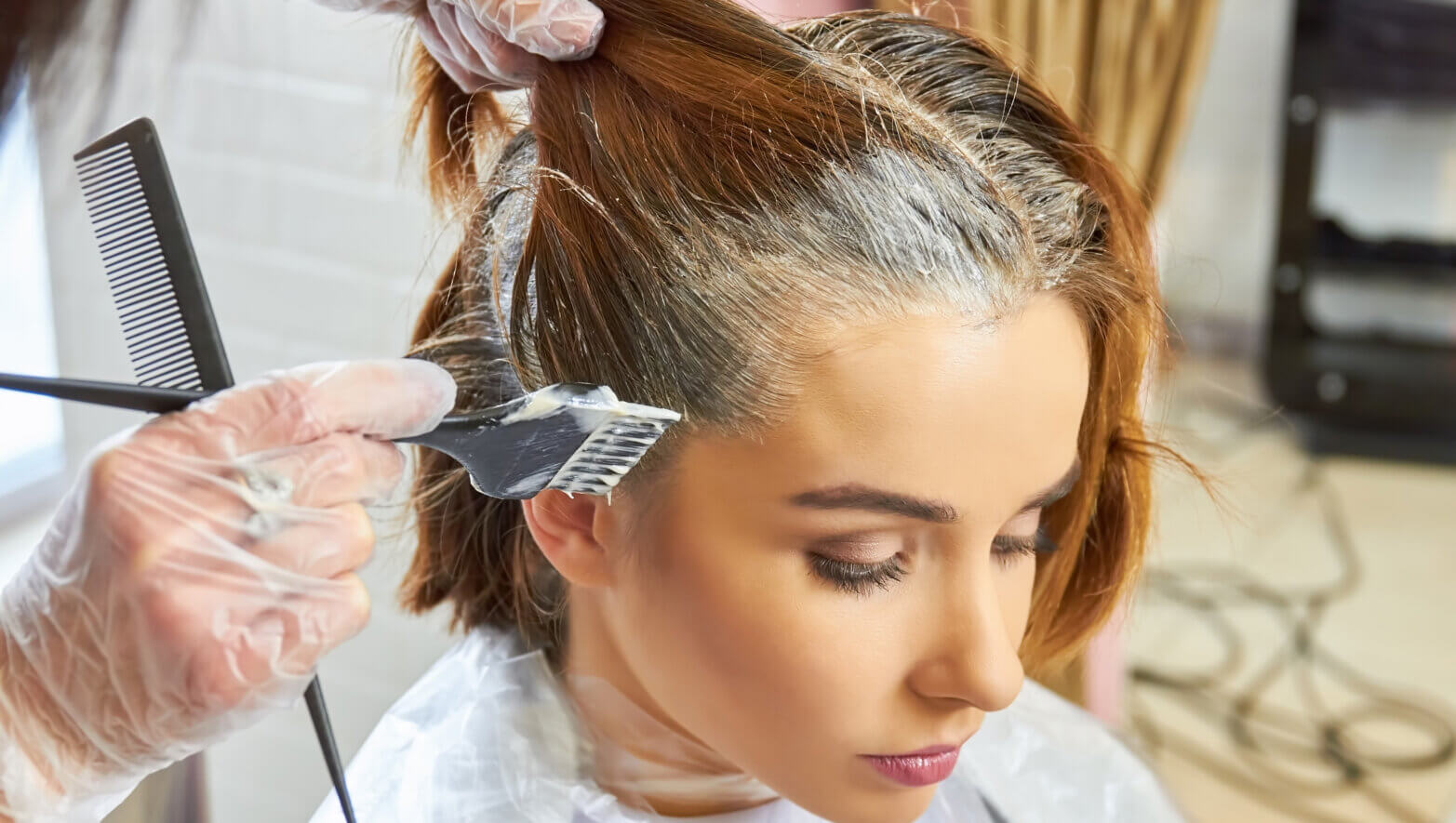
Are you brushing up on salon lingo or hoping to make an informed decision on which hairstyles to ask for next time you’re at the salon? If so, you may be hearing the terms “single process” and “double process” more often.
These two terms are used very often at salons among stylists and between clients and their stylists. And while the two terms may be confusing to those on the outside looking in or for newer stylists, we are here to set the record straight with the official definition of both the single and double process, as well as examples and styles that could be classified as one or the other.
If you’re not sure which coloring services fit under the single or double process, after reading this article, you will know exactly what to ask your stylist for — and hair stylists will know what to offer their clients.
Why Is It Important to Know the Difference Between Single Process and Double Process?
The main reason why it’s crucial to know the difference between a single process and a double process job is because, as a stylist, you will need to know how to treat the hair to achieve the client’s desired results. The second reason is that the client should also be provided with transparency on how their hair is being handled, the service they are being charged for and the duration of time they should expect to be at the salon. A single process is going to take significantly less time and it may also cost less, whereas a double process may be more time-consuming and costly. Let’s look at why.
How Do You Determine Whether a Job Is a Single or Double Process?
Let’s talk about the definitions of a single process and a double process to help you understand the major differences between the two jobs.
- Single Process – A single process is a hair coloring or lightening job that is done in one single process. This could include using professional hair color to dye a client’s hair one color like a deep brown or black or adding lowlights into blonde or lighter hair colors. The single process job does not require a second process like toning, bleaching or dyeing after the color has been deposited into or lifted from the hair. Single processes are usually more cost-effective and do not take as long as a double process – depending on the client’s hair texture and length.
- Double Process – A double process job requires two processes. A double process job commonly looks like applying professional hair lightener on dark hair and then using a toner to achieve the desired shade of blonde or pre-lightening hair to deposit a vibrant color onto the hair. Double processes usually take more time and utilize more resources.

Single Process Hair Styles
Now that you know the main differences between a single process and a double process job, let’s take a look at some common styles that are usually handled in a single process. Whether a client undergoes a single or double process largely depends on the client’s texture, length and the condition and health of the hair.
- Lowlights – If the client has light hair, but wants to add dimension to their locks with lowlights, this job is usually handled in a single process because it doesn’t require toner or a glaze.
- Going Darker – Clients who want an all-over color that is richer or darker than their natural or current color can usually expect to undergo a single process.
- Warm and Subtle Highlights – If a client’s natural hair is brown or a darker blonde and they want to add some warmth to their locks, this can be handled in a single process if there isn’t a need for a toner. If a client is looking for platinum blonde or ashy blonde highlights, they will need to undergo a double process rather than a single since toner will most likely be required.




Share Your Feedback