Whether you’re performing root cover-ups or major hair transformations, you probably have a lot of experience coloring a client’s roots. While it may seem simple, this color job can be a tricky one — especially if it involves brightening roots with a professional hair lightener, which is also known as breaking the base.
There is an art to breaking the base when coloring hair. So, if you’re looking to brush up on your skills or you are learning how to master this skill to perfection, you have come to the right place. In this blog post, we will be sharing tips on base break hair.
What Is Base Break Hair?
If you have gotten this far and you’re wondering what base break hair is, don’t worry! You probably know exactly what this technique is, but have heard it in a few different ways. For example, “base break” is also known as:
Color flash
Smudging
Base adjusting
Base softening
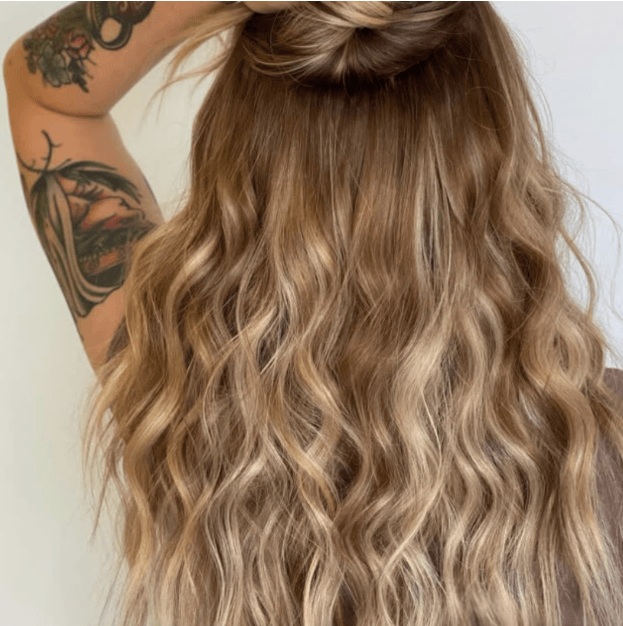
Basically, breaking the base refers to the precise timing of lightening or coloring a client’s roots or new growth as you also lighten or color other parts of their hair. The key to breaking the base is diffusing the natural color of the new growth while also lightening it to create a very natural and lived-in look.
Clients who want to give their grown-out highlights a more natural look may require a base break, which requires you to brush in a shade closer to their root color to diffuse the stark difference between their root color and highlights. There could also be a client who wants their roots brighter to match lighter hair that has grown out with dark roots. In this case, you would break the base with a lightener.
Why Is Timing Critical When Breaking the Base?
While breaking the base can be done a few different ways, the timing of lightening the new growth or roots has to be precise! New growth is virgin hair, which means it’s much more sensitive and can be weaker when it’s exposed to chemicals in lightener or when using professional hair color. When lightening the rest of your client’s hair, you may allow 30 to 45 minutes of processing time, but since you are only diffusing the roots and you are working with hair that will lift much faster, you will only need to process this portion for 10 minutes. When breaking the base, keep a close eye on your client’s hair to ensure that you don’t exceed the right processing time. Having lightener or color sit on new growth can cause damage if left unattended for too long.
How to Break the Base
Now that you have a better understanding of base break hair, here is a step-by-step process on how to properly break the base.
Assess Client’s Hair and Listen to Their Needs: We always feel that it is important to have a consultation with clients before performing any kind of service. Consultations can help you and your clients get on the same page and level of expectations. During a consultation, you can also get a feel for the condition of a client’s hair, which will help you determine how to lighten and color it.
Color and Process Hair and Leave the Roots and New Growth Out: As we mentioned above, you will want to leave base breaking to the very last moment of your client’s process since it doesn’t take too long.
Prepare Lightener and Developer: While your client is processing, mix your lightener and hair developer. Depending on your client’s hair color, the amount of developer and kind of lightener or color you will be using can differ. We recommend going one or one and a half levels lighter than your client’s natural root color, but always make sure to check the product information to determine the correct usage.
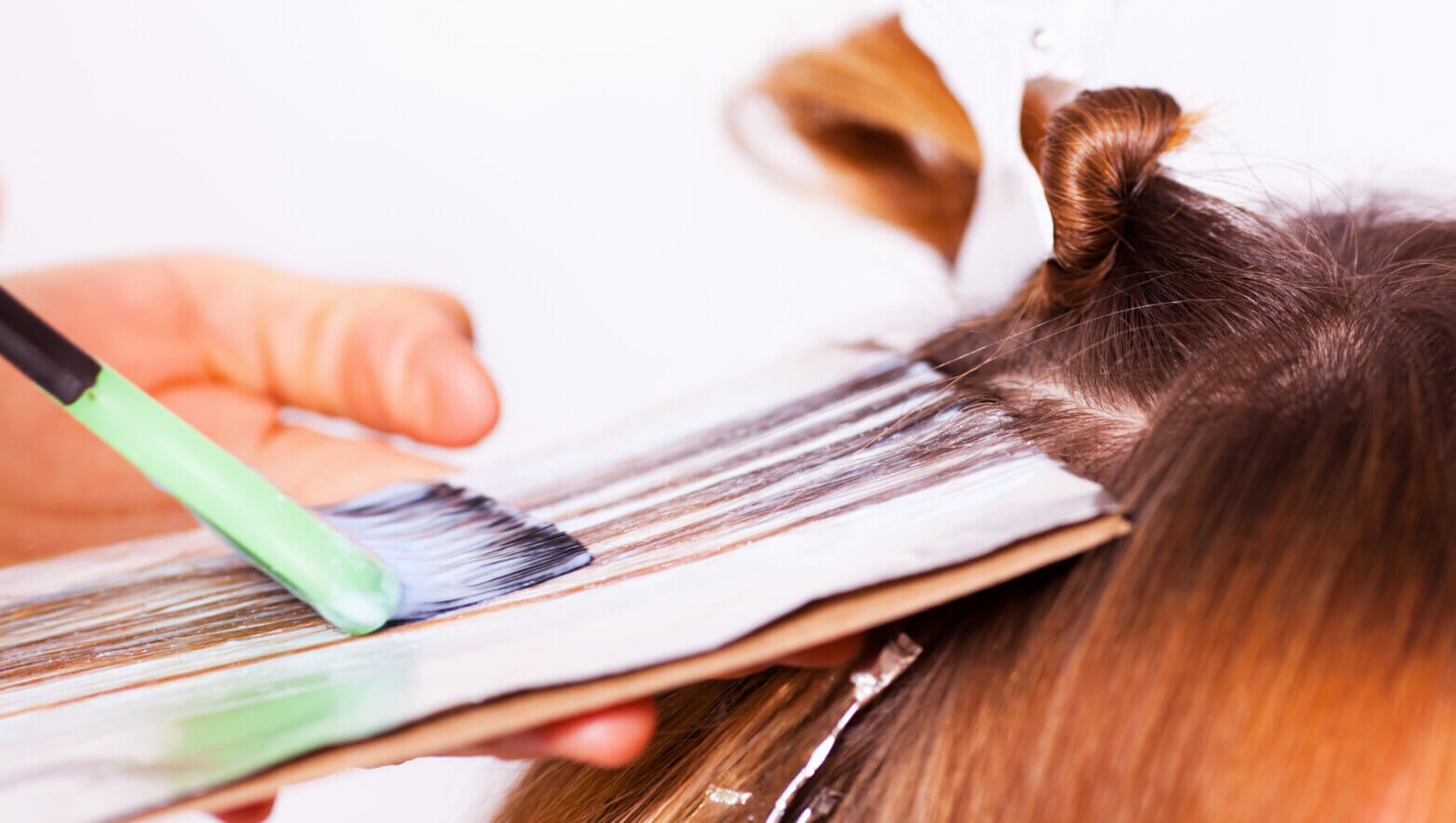
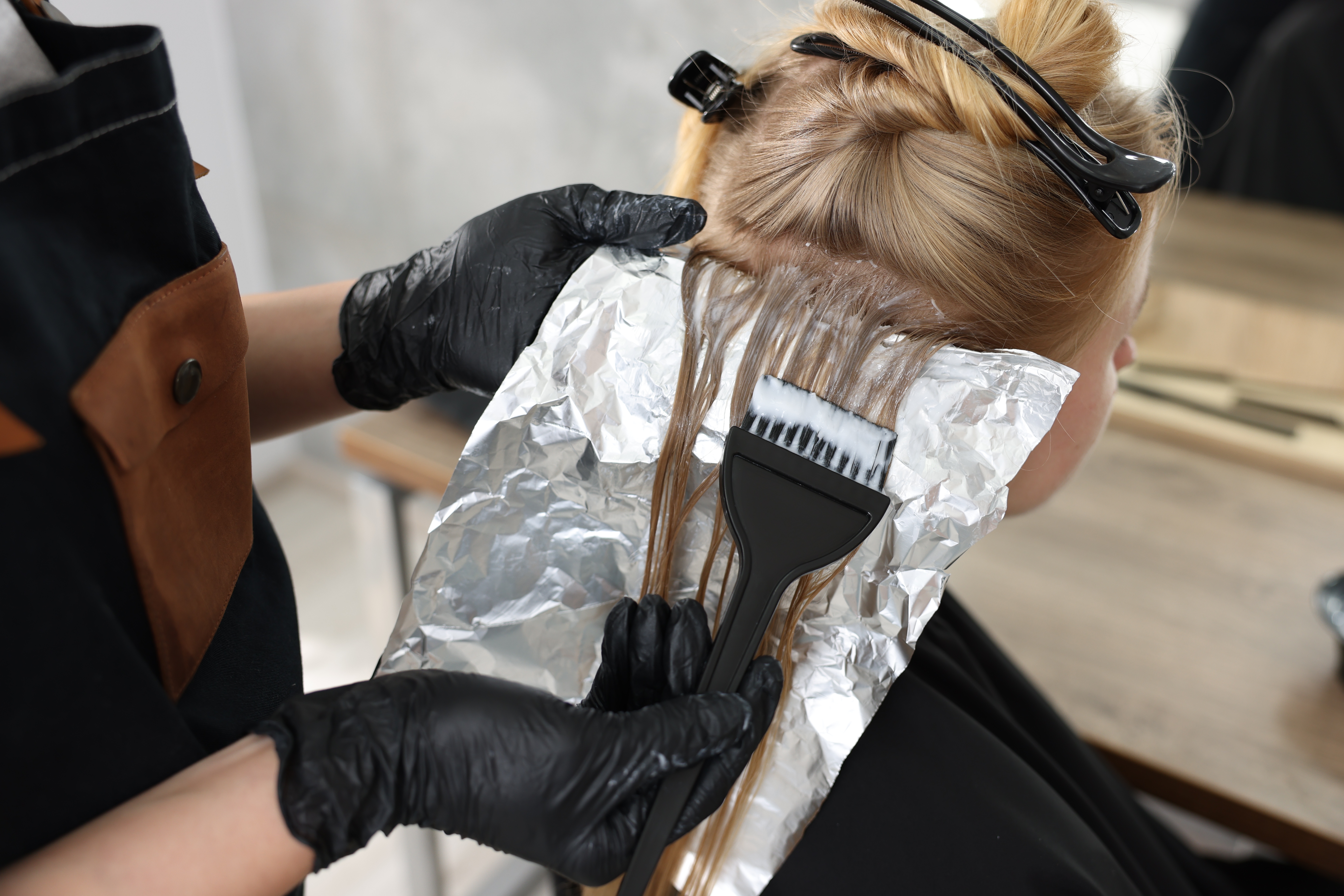
Break the Base: During the last 10 minutes of your client’s processing time, apply the lightener and developer to the new growth and roots. You can either do this at your salon station or you can do it at the shampoo bowl since the processing time is so quick.
Wash and Tone: After 10 to 15 minutes, your client should be done processing and you can wash out the lightener with professional shampoo and tone it.
@randee_lace via Instagram powered by Squarelovin
How close is this process to the one you currently have for base breaking hair? We hope this sheds some light on the technique and why it’s so important for your clients!






Share Your Feedback