Hair coloring and lightening trends come and go, but do you know which coloring style is always a great option? Dimensional hair color. That’s right, dimensional hair color continues to be a popular style for every kind of hair color and texture. This style is also extremely versatile as it can be achieved on virtually any shade color of hair from light to dark.
Stunningly enough, the subtlety of dimensional hair color creates quite an impactful look regardless of hair texture or color, making it one of our all-time favorite coloring techniques.
If you’re shopping for salon developers and you want to brush up on the hair trend and make sure you have the latest information on how to create dimensional hair colors and styles that your clients love, keep reading!
This blog post could also inform your next big hair color decision and transformation if you’re looking for inspiration to take back to your hairstylist.
What Is Dimensional Hair Color?
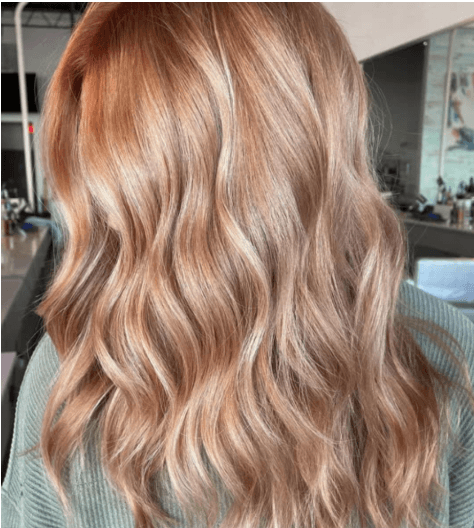
Let’s get back to basics and define dimensional hair color. The technique uses different colors across the spectrum, but close to the client’s natural hair to add different levels of dimension throughout the entire head of hair. For example, if a brunette wants to add dimension to their hair, a stylist may add some balayage or very thin highlights while also incorporating darker shades to give the brunette more dimension and complexity. This allows the client to have hair that’s both on the light side of brown and the darker side. In simpler terms, dimensional color takes a few shades of the same color and seamlessly weaves it through the hair to create a multi-dimensional illusion, leaving hair looking vibrant and shiny.
@emily.jeaann via Instagram powered by Squarelovin
If you’re planning to create a dimensional color style for your client, it’s best to talk through what the client expects while also looking at inspiration pictures. Having a consultation beforehand can ensure that you both are on the same page, especially with a style that is so intricate and can be interpreted in different ways.
The Different Levels of Dimensional Hair Color
As you can imagine, there are many different ways to achieve dimensional hair color using professional hair color. However, dimensional hair color could fall into two categories that perfectly describe the client’s and stylist’s goals. As with every coloring job, there are levels that allow you to determine how light or dark you and your client want to go — and with dimensional hair color, these two levels provide a great starting point on determining the direction.
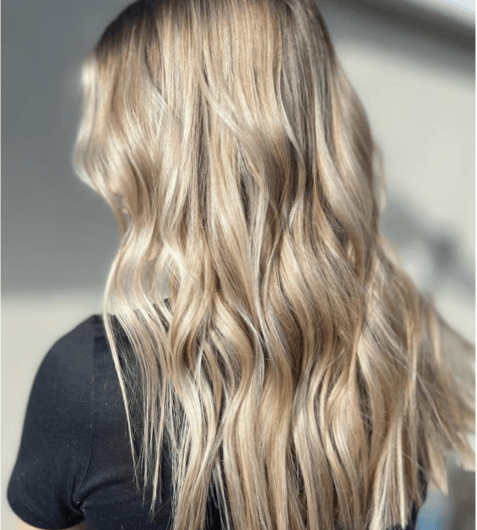
Subtle Dimensional Hair Color— If your client wants to add dimension to their hair, but doesn’t want that drastic of a change, a subtle level may be the best to start with. The subtle dimension allows you to add pops of dimension — both light and dark — that are close to the client’s natural shade and blend in seamlessly. For example, if your client’s hair is already pretty light, you may want to lighten strands of the hair to a level that is just a half shade or a whole shade lighter than their natural hair.
High Contrast Dimensional Hair Color— If your client wants a hair transformation and is looking for both bright lights and dark lowlights, you may want to present a high contrast dimension. While subtle dimensions may stick to colors that are close to or slightly different from the client’s natural hair, high dimension prioritizes bright highlights and a dark shadow root or dark lowlights. To achieve high contrast dimension, you may be looking to take a client’s highlights multiple shades lighter than what their natural hair is to really make the style pop.
@emily_doesyourhair via Instagram powered by Squarelovin
Why Is Dimensional Color So Popular?
Today, the “lived-in” look is so popular. Clients are looking for a style that looks natural and allows them to go months without going back into the salon. Giving your client some dimensional coloring can contribute to achieving that naturally-lightened and sun-kissed look that many clients are looking for.
This style is also popular because it’s less time-intensive than getting a full-blown balayage, lightening the whole head or getting typical highlights. The hair is lightly colored and its end result is subtle but eye-catching. What’s not to love?
Whether you have a trip to the salon booked and you’re ready to amplify your hair color or you are a stylist looking to offer your clients the latest hair coloring trends, we hope this blog post filled you in on the must-know facts of dimensional hair color.
This was such an informative read! I had heard the term “dimensional hair color” before but never fully understood what it meant until now. The examples and explanations made it easy to see how adding depth and contrast can completely transform a hairstyle. Thanks for breaking it down so clearly!






Share Your Feedback