Hair trends have pointed to clients wanting more natural, lived-in-looking locks for years now. And among these trends are a few different highlighting techniques that produce similar results, but their subtle differences are what give them their claim to fame.
The sombre and balayage highlighting methods are among these trends and they both stem from the ombre hair craze. While they are similar in the sense that they give clients natural-looking highlights, the two styles are very different.
So whether you’re looking for your next hairstyle or you’re learning how to create these natural-looking highlights for your clients, you have come to the right place. In this article, we will discuss what makes the sombre and balayage such popular hairstyles, as well as ways you can achieve them on your clients.
What Is a Sombre?
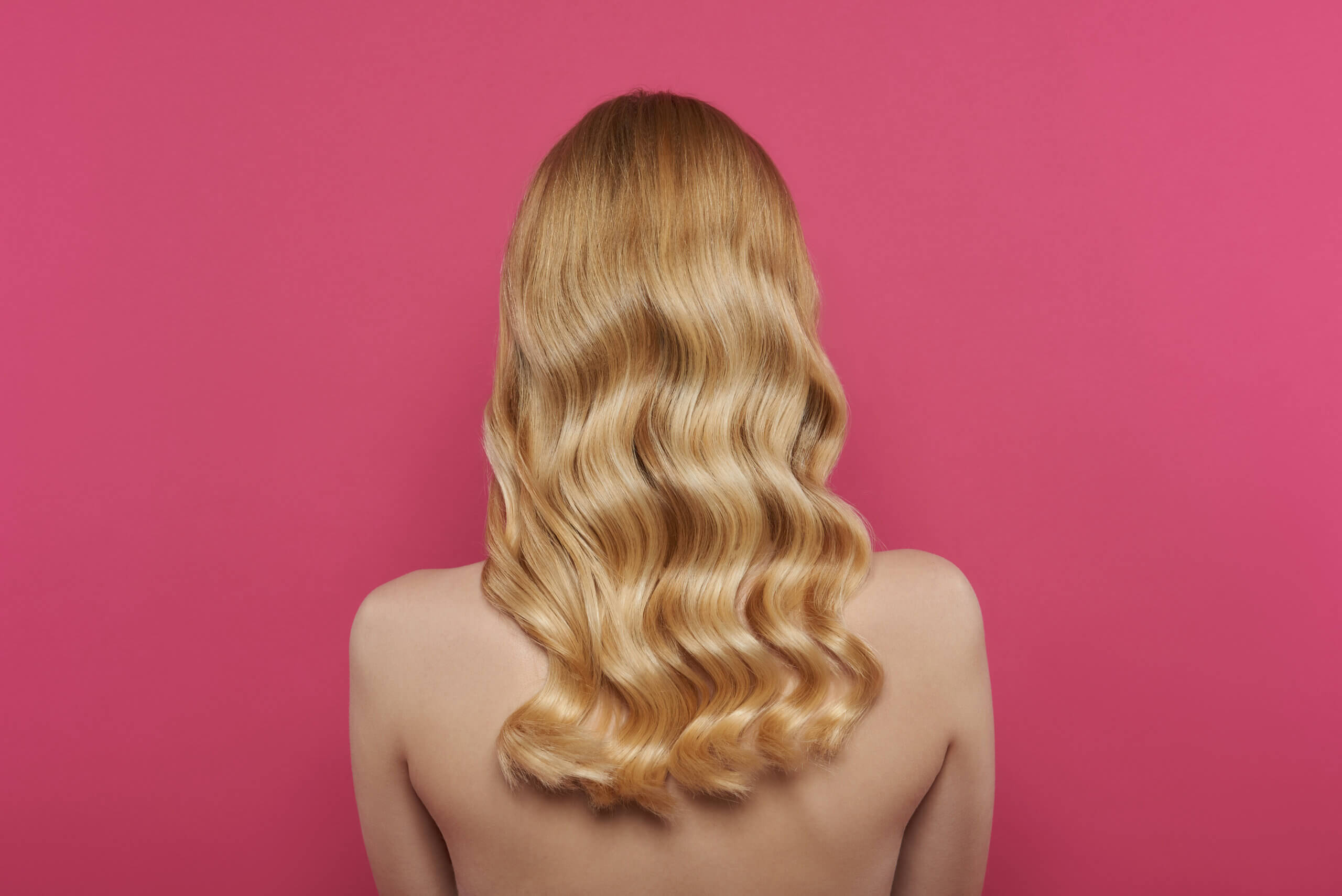
If you have ever heard of the ombre trend, a sombre is a variation of the look. While the ombre boasts dark roots with very light ends and little to no blending, the sombre is a much softer look with a more gradual blend. The contrast between light and dark isn’t as bold as an ombre because the color change is more subtle and blended. You could think of the sombre as a soft ombre, hence its name. You can also give clients a more dramatic shadow root by using professional hair color.
What Is a Balayage?
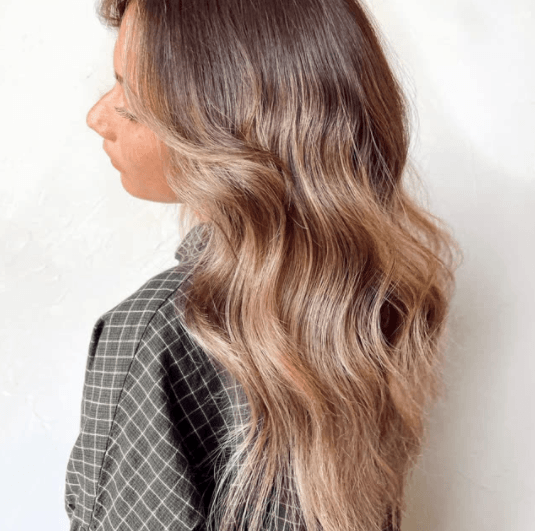
A balayage is one of the most popular highlighting techniques used today. To achieve the balayage look, stylists sweep or paint bleach in strategic and subtle ways through the hair to create highlights that blend in with the client’s natural hair while also creating more dimension. With this style, clients may still have a shadow or darker root with lighter ends, similar to a sombre or ombre, but the highlights look more natural and lived in.
The Main Differences Between the Sombre and Balayage
While both of these highlighting methods aim to make darker hair more light and vibrant, there are some differences worth noting — especially if you or your client are trying to decide which style is best for them.
Do either of these styles appeal to you? We feel that the balayage and sombre hairstyles are so versatile that anyone can pull them off. It’s important to consult a stylist to learn which tones and shades will work best with your complexion and your hair texture and health. Sombres and balayages have a lot of room for customization and variations, which is what makes them ideal for almost everyone.
If you’re a stylist, we hope this blog post helped clarify the main differences between the two techniques. Before embarking on a balayage or sombre with your clients, make sure to have a consultation to discuss the color and tone goals to ensure satisfaction.






Share Your Feedback